




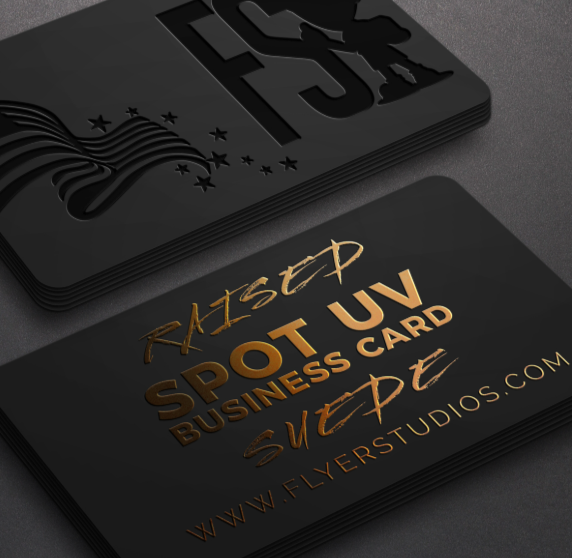
Product packaging plays a significant role in attracting customers and creating lasting impressions. One of the emerging techniques that enhance both the visual and sensory aspects of packaging is the use of Raised UV Labels. These labels are designed to give a tactile experience by adding a layer of raised, glossy UV coating to specific elements of a label. The result is a product that not only looks high-end but also feels unique to the touch.
Enhancing Packaging with Texture
Raised UV labels work by applying a clear, thick layer of UV coating on top of printed designs. This coating is cured instantly with ultraviolet light, resulting in a raised, shiny finish. This elevation can be added to various elements like logos, images, or text, helping them stand out visually and physically. The added texture makes the label more engaging and gives customers a reason to interact more closely with the product.
Why Texture Matters in Product Design
The sense of touch has a powerful influence on how consumers perceive quality and value. When a customer picks up a product and feels the raised design on the label, it creates a premium impression. This physical engagement often leads to stronger emotional connections and can even influence buying decisions. Raised UV labels offer that tactile edge, giving the product a competitive advantage.
Making Labels Stand Out on Shelves
Retail shelves are filled with products competing for attention. A smooth, flat label may easily go unnoticed, but a label with raised elements catches the eye and encourages further inspection. The contrast between matte surfaces and the glossy, raised areas enhances visual interest. Combined with quality graphics, this technique helps products stand apart in busy retail environments.
Highlighting Brand Elements
Raised UV coating is ideal for drawing attention to a brand’s most important elements. This might include the company name, logo, or product highlights. By giving these parts a raised texture, they become more memorable and easily recognizable. This not only boosts brand awareness but also adds perceived value to the product.
Combining Looks and Functionality
Beyond aesthetics, raised UV labels provide functional benefits. The thick coating layer adds durability to the label, protecting it from scratches, moisture, and general wear. This is especially valuable for products that are frequently handled or exposed to different environments. The raised texture can also be used to improve grip or prevent slipping, especially on cylindrical containers like bottles or jars.
Customizable for Different Designs
Another advantage of raised UV labeling is its versatility. It can be used on a wide variety of materials including paper, vinyl, and synthetic labels. Designers have the freedom to choose where and how much raised UV to apply, which allows for subtle detailing or bold effects depending on the brand’s style. This makes the technique suitable for a range of industries, from cosmetics and food to health and luxury goods.
Cost-Effective Premium Enhancement
Compared to completely redesigning packaging or using more expensive materials, raised UV labeling is a cost-efficient way to upgrade product presentation. It allows businesses to elevate their current branding with minimal changes to layout or design. Small businesses and startups can especially benefit by adding this premium touch without exceeding their budget.
Conclusion
Raised UV labels create a dynamic experience that appeals to both sight and touch. They elevate packaging through texture, enhance brand recognition, and increase shelf impact. In a marketplace where first impressions matter, this simple yet powerful technique gives products a distinct and lasting advantage.




More Stories
Smarter Commercial Security Services: Protect What Matters Most
5kg Planetary Mixer – Advanced Equipment for Laboratory and Production Use
Loft Ladder with Handrail: Enhancing Safety and Stability in Modern Home Design