




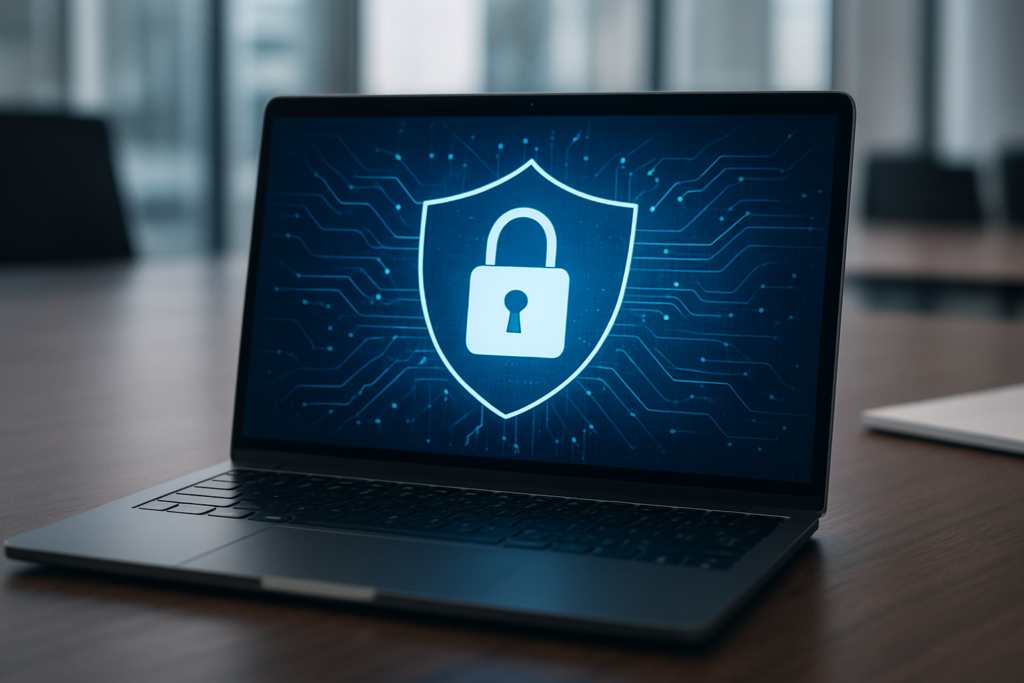
Many Chicago-area businesses invest in security systems once and forget about them. Alarms get outdated, cameras lose coverage, and access credentials pile up without review. Over time, these gaps quietly undermine protection. This FAQ-style guide answers common questions about keeping commercial security services reliable from design through ongoing maintenance, with a focus on the local expertise businesses across Chicago and the surrounding region rely on.
What does ongoing service and maintenance actually involve?
Security systems aren’t “install and forget” solutions. Ongoing maintenance includes routine inspections, firmware updates, battery checks, and camera realignment to keep every component functioning as intended. Scheduled servicing also catches small issues, like a failing sensor or a loose connection, before they become larger vulnerabilities. Regular maintenance visits help ensure your alarms, cameras, and access control points stay responsive and accurate over the life of the system.
How do I know if my existing system needs an upgrade?
Older alarm panels, analog cameras, or outdated access credentials often signal it’s time for an upgrade. Common indicators include frequent false alarms, blurry or limited camera coverage, difficulty integrating with mobile apps, or a system that no longer supports remote management. A professional assessment can determine whether current equipment should be reused, expanded, or replaced. In many cases, upgrading select components, rather than overhauling the entire system, delivers meaningful improvements without unnecessary disruption to daily operations.
Can I upgrade individual parts of my system instead of replacing everything?
Yes. Many businesses choose to upgrade specific elements, like adding modern access control to an existing alarm system or integrating new cameras with legacy equipment. This approach extends the life of usable components while introducing updated technology where it matters most. A thorough review of your current setup, including compatibility, condition, and supportability, helps determine the most practical path forward for your property and budget.
Why does local expertise matter for commercial security?
Security needs vary significantly based on property type, local regulations, and regional risk factors. A team with established experience serving businesses across Chicago and the surrounding region understands the practical realities of local commercial properties, from multi-tenant buildings to standalone retail locations. This familiarity supports smoother site assessments, more accurate recommendations, and faster response when service is needed.
What should I expect during the design phase?
The process typically begins with a site assessment, where a specialist reviews the property, existing equipment, and specific security goals. This includes walking through entry points, storage areas, and any zones requiring additional coverage. From there, a tailored plan is developed that addresses alarms, video surveillance, and access control based on how the business actually operates day to day, not a generic, one-size-fits-all template.
How does installation typically proceed?
Once a design is finalized, installation is scheduled around the business’s operating hours to minimize disruption. Technicians install and configure each component, from control panels and sensors to cameras and access readers, before testing the full system to confirm everything communicates correctly. Clear walkthroughs during this stage help ensure the team understands how to use new features, including mobile app controls and automated opening and closing routines.
What happens after installation is complete?
Installation is the starting point, not the finish line. Ongoing servicing includes periodic check-ins, system health reviews, and support for any equipment issues that arise. For properties with evolving needs, this also includes updating user permissions, expanding camera coverage, or integrating new building controls like temperature monitoring. Consistent servicing keeps a commercial security system aligned with how a business grows and changes over time.
Is monitoring included with every system?
Monitoring is typically scoped separately based on the property’s needs and response expectations. When monitoring is included, it often relies on a third-party relationship to handle alarm signals or review camera events according to an agreed escalation plan. Equipment, connectivity, and monitoring hours are confirmed during the planning process so expectations are clear from the start.
How do I get started?
Businesses in Chicago and surrounding communities can begin with a site assessment to review current equipment, discuss goals, and outline next steps for design, installation, or upgrades. Bringing details like the property layout, areas of concern, and any existing equipment list helps make that first conversation more productive.
Commercial security is most effective when it’s treated as an ongoing relationship rather than a one-time purchase. Scheduling a professional site assessment is a practical first step toward a system built for long-term reliability.
Key Points
- Many businesses in the Chicago area neglect ongoing maintenance for their security systems, leading to outdated equipment and vulnerabilities.
- Routine maintenance involves inspections, firmware updates, battery checks, and adjustments to ensure security systems remain functional and responsive.
- Older alarm panels, blurry cameras, and difficulty integrating with mobile apps indicate that a security system may need an upgrade.
- Businesses can upgrade individual components of their security system instead of replacing everything, allowing for gradual improvements while minimizing disruption.
- Local expertise is crucial for effective commercial security, as regional factors and property types significantly influence security needs and system recommendations.
- Businesses can initiate improvements by scheduling a site assessment to evaluate existing systems and outline goals for upgrades or design adjustments.



More Stories
5kg Planetary Mixer – Advanced Equipment for Laboratory and Production Use
Loft Ladder with Handrail: Enhancing Safety and Stability in Modern Home Design
Family Portraits That Preserve Cherished Memories for a Lifetime